
Ground truth for physical-world AI
AI has read the internet. We're showing it the real world.
People earn rewards to check real places. AI verifies every answer. Buyers get ground truth on demand.
- 4M young people in partner reach
- +524% weekly sign-up growth
- 4,138 billboards measured under licence

- Billboard live? Cape Town · Photo · GPS · AI check
- Shelf price Soweto · Photo · time · AI check
- Campaign up? Abidjan · Verified on the ground
Backers, clients and partners
- Backed by
-

-

-

-

- Clients
-

-

-

-

-

-

-

- Programmes
-

-

-

-

- Partners
-

-

- Distribution
-

-

Clients and pilots
Backed by
Programmes and accelerators
Partners
Distribution
Rewards players redeem


New sign-ups grew 524% in a week; 39% by player referral.
- 282k+ accepted game answers since August
- 39% of 11–17 October sign-ups came via a player referral
- 22k+ accounts registered since the August launch
Next proof: cohorts, completed tasks, accepted answers and repeat play.
A real-world incentivised network: brands fund it, AI checks it.
-
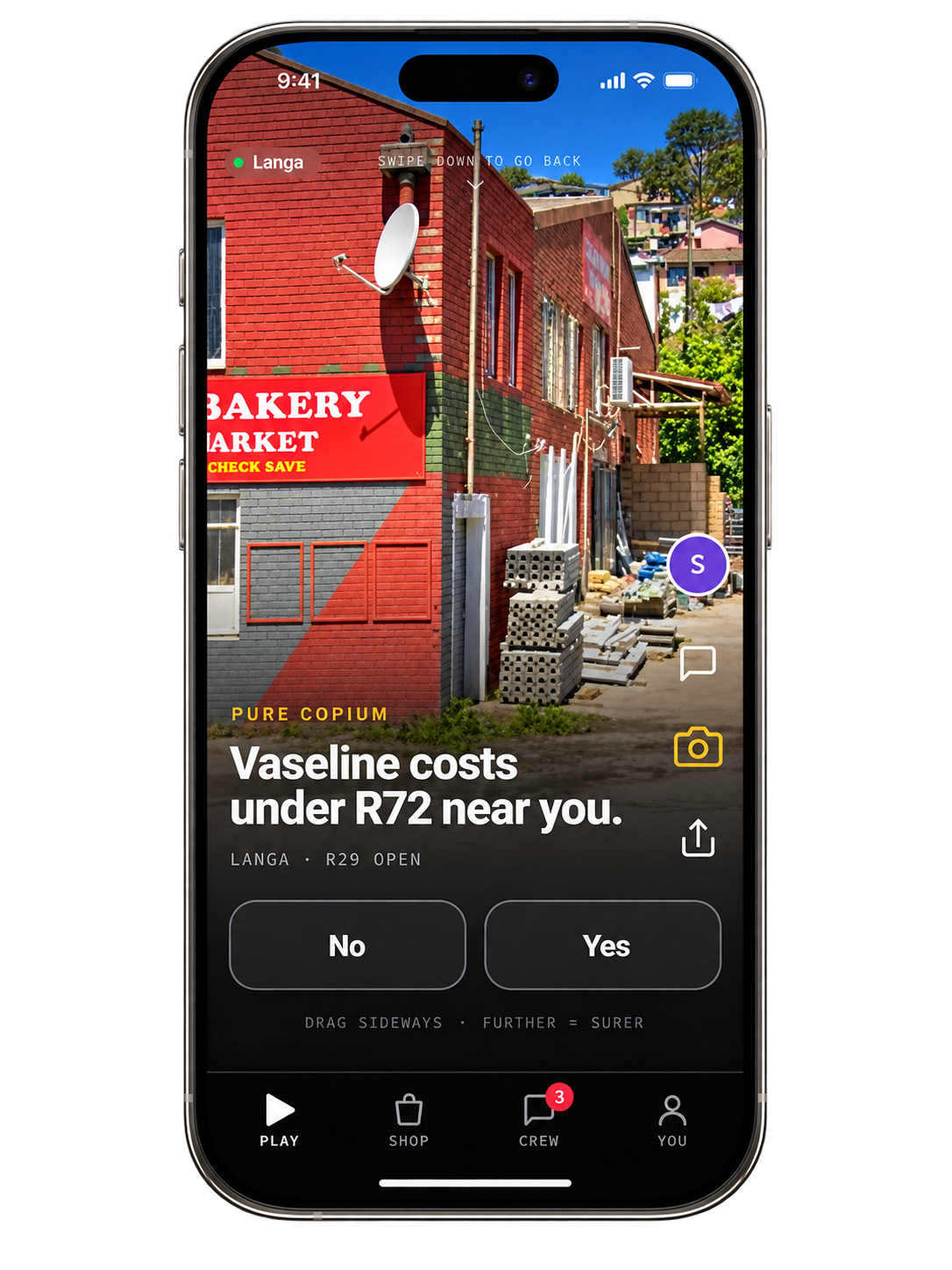
2Klip People play and earn for useful answers
-
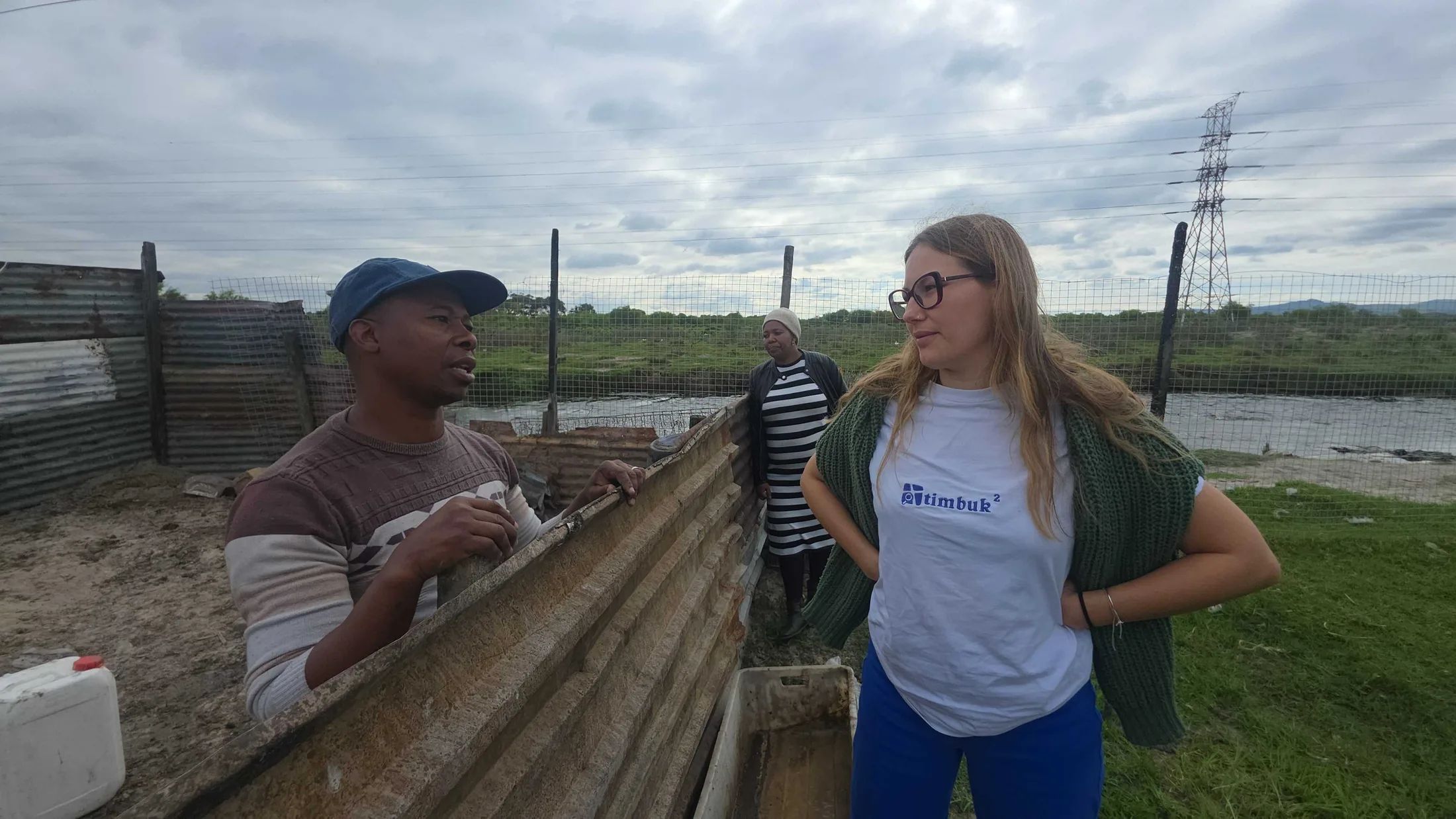
FOONA The field verifies the places that matter
-
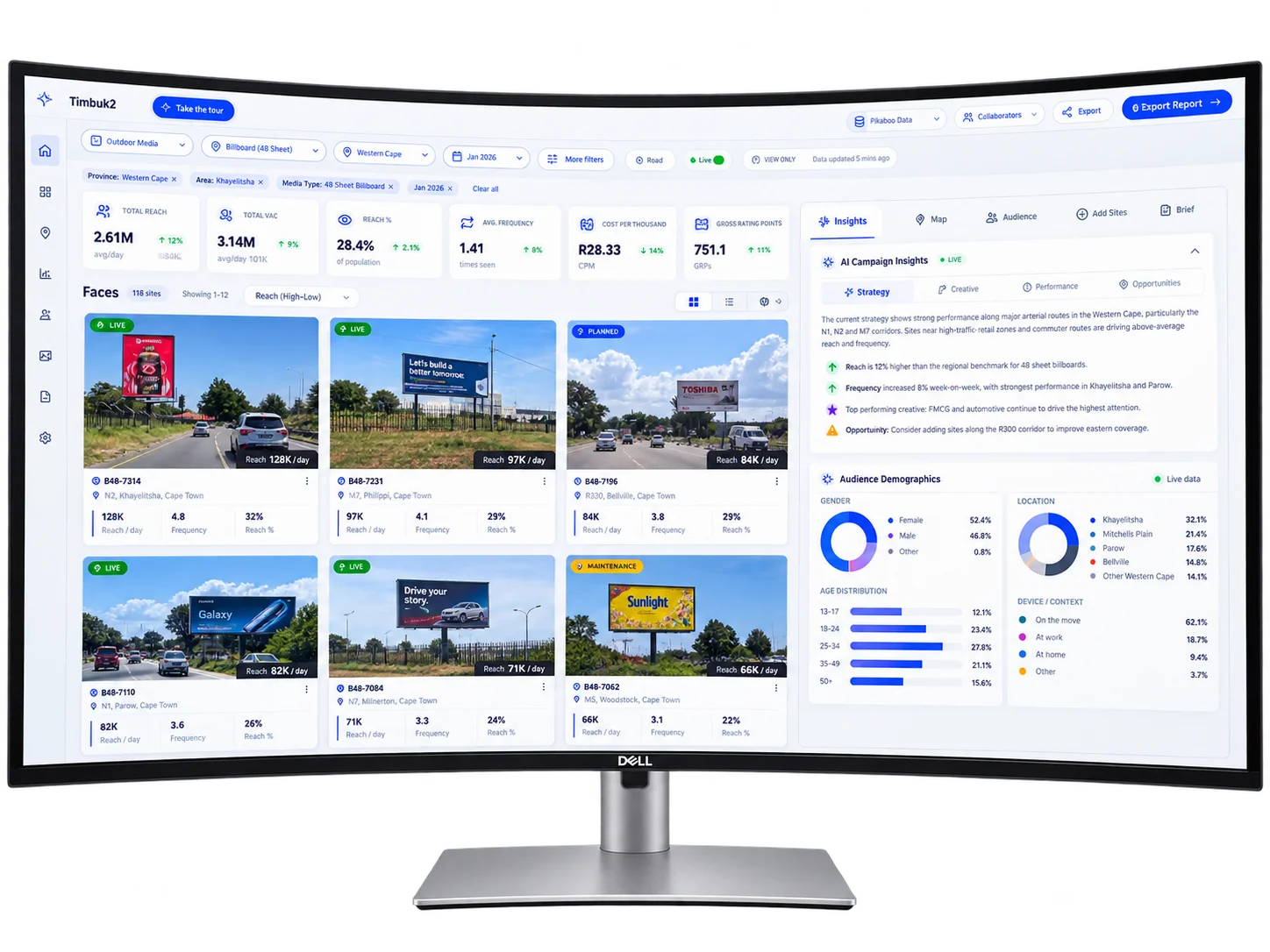
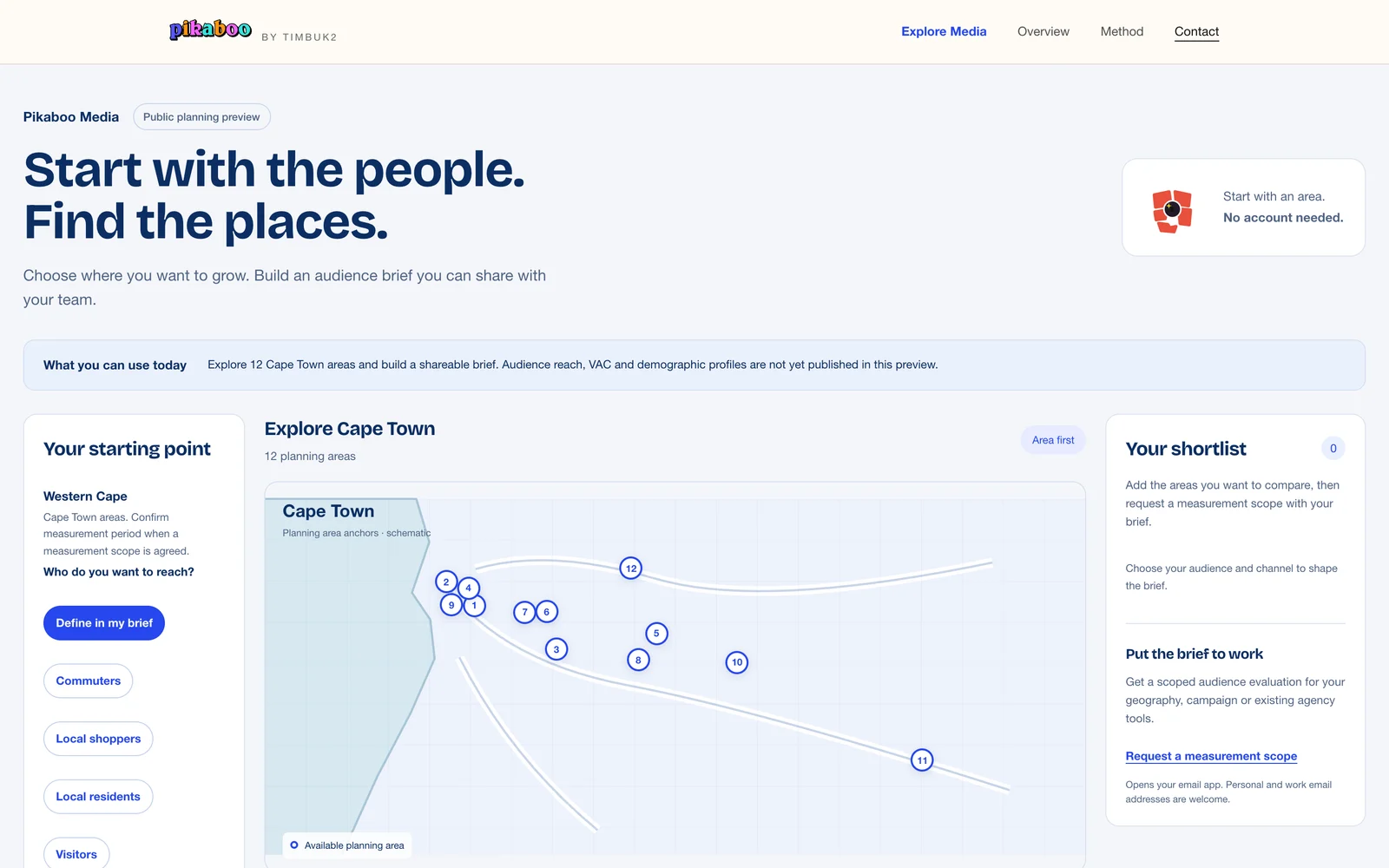
Pikaboo AI-checked evidence buyers act on
Each paid action funds the next answers
- Media owner Why should a buyer pick these sites?
- Agency Did the campaign actually run?
- Brand Where should the next rand go?
Media owner, agency, brand: three budgets, one network.
-
01 · Media owners
“Why should a buyer pick these sites?”
Pikaboo platform licence
Audience reach, VAC and frequency for every site, verified on the ground.
Primedia Outdoor licensed Pikaboo across 4,138 sites in 2025–26. -
02 · Agencies
“Did the campaign actually run?”
Campaign Proof
Verified delivery per face, per wave: photo, GPS and time on every record.
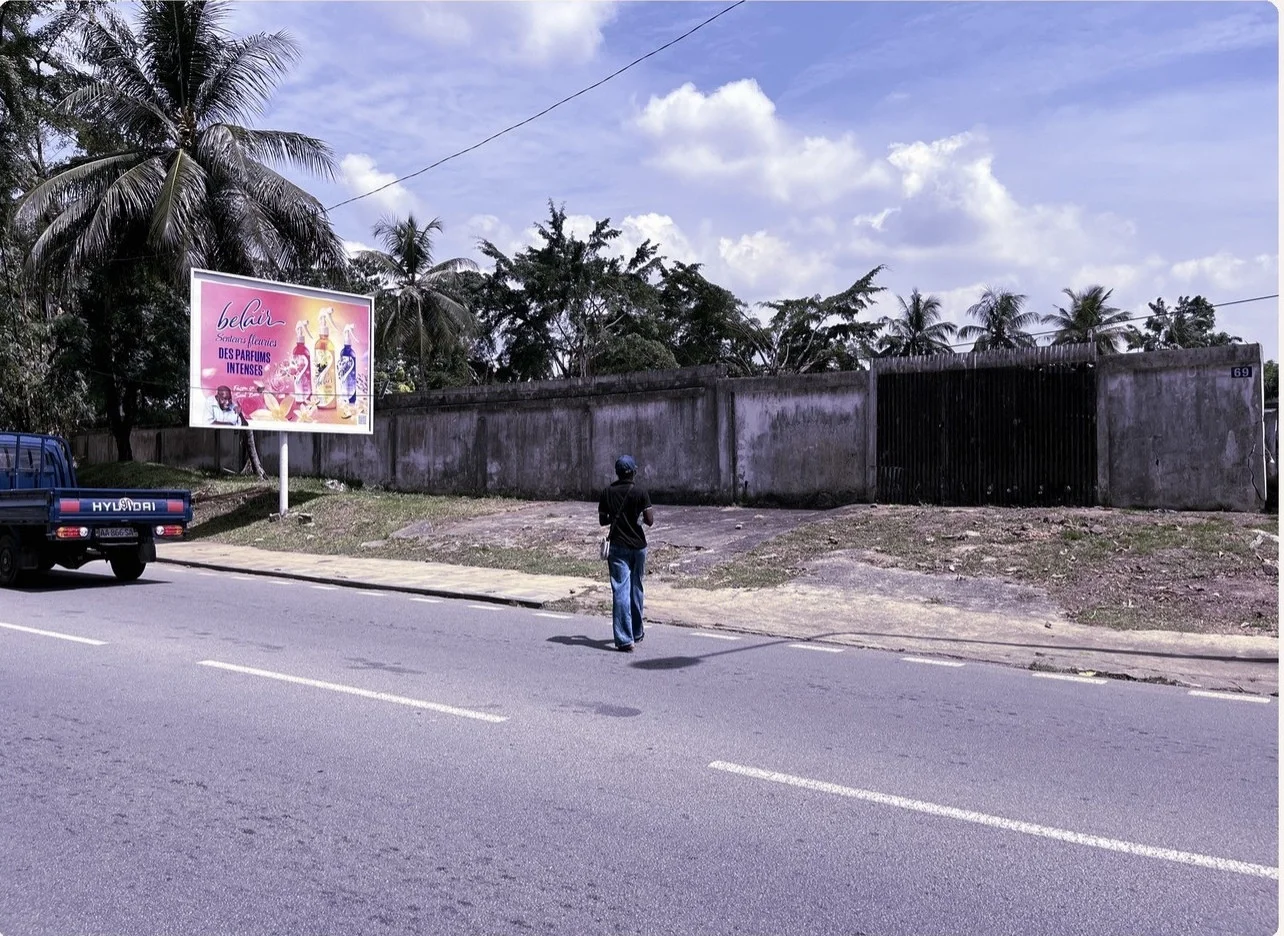
76 billboards checked in Abidjan in under a day; now a campaign-verification pilot for Glovo. -

03 · Brands
“Where should the next rand go?”
Game signals + field evidence
Ask the market through play, verify on the ground, decide where to stock, open and advertise.
Old Mutual bought field evidence in the Western Cape; Sanlam paid for a sales-intelligence pilot.
A fourth budget: AI and data teams. Fresh, specified ground truth from places models cannot see. How a record is built →
Physical-world AI needs ground truth the internet doesn't have.
Models learned the world from the web. Streets, shelves and billboards in emerging markets barely appear there, so our network goes and looks, on demand.
- Proof A photo on every record
- Place GPS-fixed to the site
- Time Stamped at capture
- Consent Opt-in and pseudonymous
- AI check Scored before it counts
- Checks AI reviews every answer before it counts
- Answers Models turn field evidence into decisions
- Routes The next task goes where the gap is
- Name the place, the question and the cadence
- Set your acceptance rule
- We scope a small paid sample first
Clients have paid for ground truth. Next, we make it repeat business.
- Out-of-home audience measurement licence Paid · 2025–26
- Field evidence, Western Cape Paid · 2026
- Sales-intelligence pilot Paid pilot · 2025
- Billed the Primedia licence Billing · 2025
- Location test, France Delivered · 2024
- Market research Delivered · 2024
- Campaign verification pilot, Abidjan Pilot · Oct–Nov 2026
- <1 day to check 76 billboards in Abidjan, March 2026
- 3 jobs paid for: measurement, field evidence and sales intelligence
A browser game travels. The evidence gets local.
Playable areas in nine countries, India live in ten regions, field proof in Abidjan and test games in the United States and Mexico. The same engine can recruit local knowledge wherever a buyer needs an answer.

- Local games Southern Africa + India: ten regions, 50 boards
- Test games United States and Mexico
- Field proof Abidjan, Côte d’Ivoire
- Proposed next Brazil, Indonesia, Philippines, Nigeria, Kenya, Ghana
Map basis and dates
South Africa and six neighbouring countries have local game content. India: 10 regions, 50 boards and 500 seeded locations verified in production on 6 October 2026 (release PRs 549 and 551). Content supply is not player adoption or verified observation coverage. US and Mexico have test games. Abidjan: completed field proof, March 2026. Proposed next markets: Kenya and Rwanda. Xoxoday rewards fulfilment is in integration; provider catalogue reach is not Timbuk2 operations. Xoxoday catalogue source ↗
The game grows the network. People verify the places that matter.
Seven Cape Town communities, already mapped.
The map marks locality centres, not individual homes or submissions.
Loading Cape Town map…

Field evidence basis
FOONA 2026 job export through September, including 362 approved flood-response records; Abidjan field test, 31 March 2026 (219 approved observations across 76 unique billboards in under a day). The seven communities cleared the Ninety One ESD count by 28 September. Field submissions and 2Klip answers are separate datasets.
Why now: phones, play and AI make local evidence affordable.
- $54.2bn spent on out-of-home advertising in 2025, still planned on estimates
- ~R0.04 in rewards per accepted game answer
- 9 countries with playable areas, from Cape Town to ten Indian regions
Built by people who deliver for enterprise.
-
 Matimba Nkuna Founder & CEO
 -
 Takalani Malivha VP Business Operations
 -
 Kouame Kouassi Technical Lead
 -
 Kunta-Kinte Ngcobo Product
 -
 Phelelani Mkhize Growth
 -
 Robyn Khoury Chief of Staff
 -
 Nyimpini Mabunda Advisor
 -
 Andrew Firman, CFA Strategic Advisor
 -
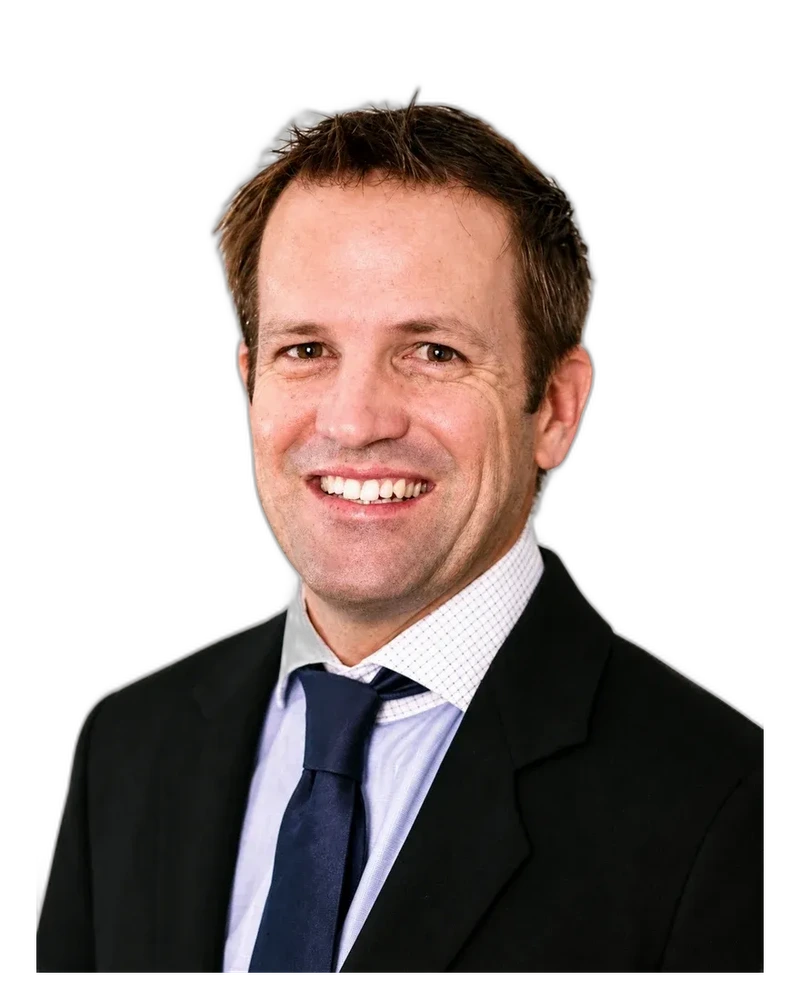 Tim Henshall Legal & IP
Backed by
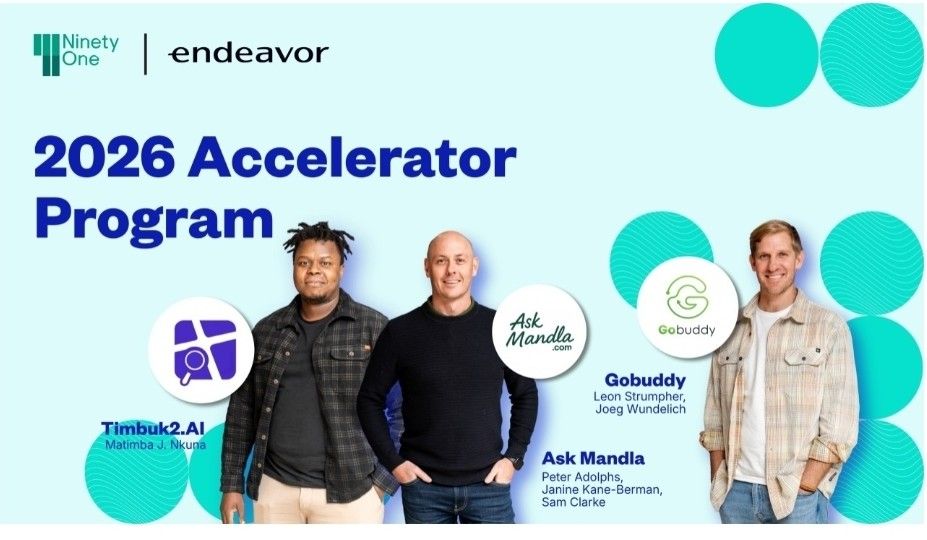
Programmes and accelerators
For investors
Investing in ground truth for AI? Talk to the founder.
Backed by Kaleo VC, Amazon Web Services, Exxaro and Ninety One. We share the detail one to one.